

Analysis
In today’s volatile markets, investors are faced with unprecedented opportunities and challenges. Whether you’re a seasoned trader or a new investor, having a solid portfolio strategy in place is crucial for navigating these uncertainties. This post explores key insights, strategies, and tools to help you make informed decisions in times of market volatility.
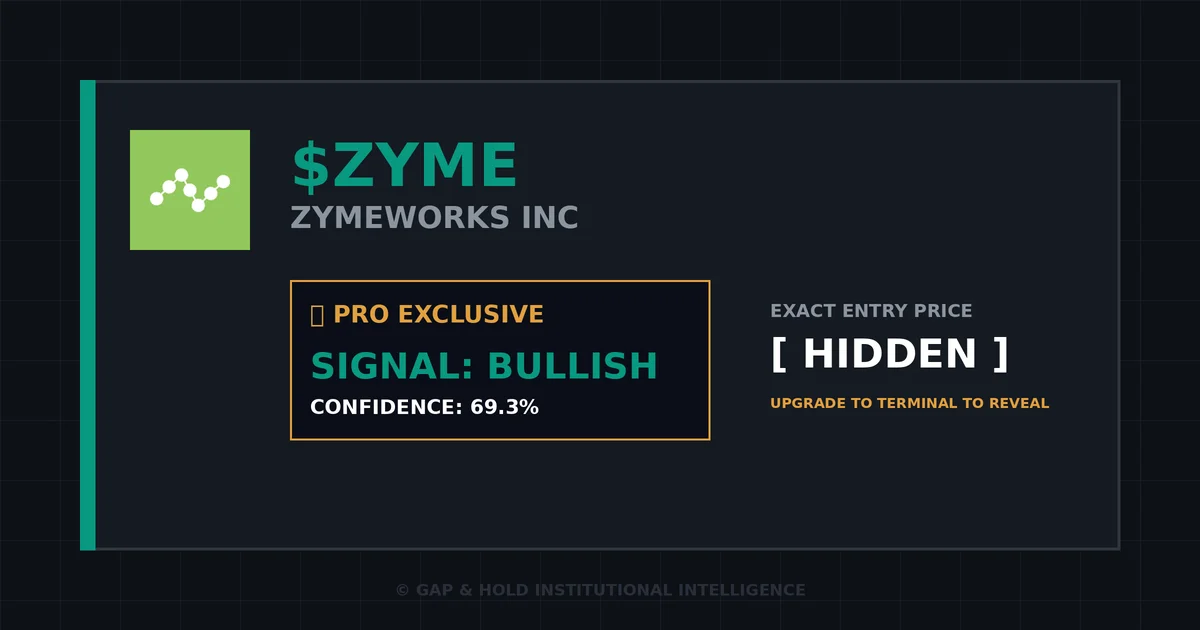
Bullish Signal: $ZYME Gap Trade
The markets recently witnessed a notable gap up in ZYME, with a 4.19% intraday gain. This phenomenon, often referred to as ‘gap trading,’ presents a compelling opportunity for traders looking to capitalize on trending assets. The strategy of ‘Gap & Hold’ has shown success in such scenarios, where prices break above key resistance levels and continue to climb throughout the session.
The ZYME gap trade underscores the importance of flexibility in your trading strategy. By adapting to market conditions, you can capture these profitable opportunities while managing risk effectively.
Sector-Specific Insights
While technology stocks have shown resilience, it’s crucial to remain cautious. Volatility in key sectors like $AI and semiconductors continues to weigh on investor sentiment. A recent sell-off in AI-related stocks highlights the importance of diversification and risk management in your portfolio strategy.
When it comes to options trading, the 83% consensus among financial advisors is that it can be highly rewarding but also risky. Every investor should understand the mechanics of options before incorporating them into their strategy.
Earnings Season Caution
Upcoming earnings reports for major tech firms, including Nvidia, could further influence market dynamics. Bank of America’s recent commentary suggests that investors must remain vigilant, as stock price movements may not always align with earnings outcomes.
| Market Impact | Asset Class | Avg. Volatility |
|---|---|---|
| AI Rout | Technology Stocks | 3.5% |
| Comex Gold | Precious Metals | 1.8% |
| Earnings Volatility | Equity Markets | 4.2% |
In conclusion, the current market environment calls for a balanced approach that combines flexibility with risk management. By leveraging advanced quantitative tools and staying attuned to market dynamics, you can navigate volatility and capitalize on opportunities.
Unlock Exact Entry Prices & Quantum Signals
Our quantitative AI models scan overnight gaps in real-time. Upgrade to the Pro Terminal to reveal exact entry points, real-time alerts, and deep analytics.
INSTITUTIONAL INSIGHTS LOCKED
The exact entry prices, automated Trailing Stop-Loss (TSL), and Take-Profit targets for these setups are exclusively available to PRO members. Stop guessing and start executing.
UNLOCK PRO TERMINAL
Leave a Reply