

Analysis
Markets worldwide are grappling with unprecedented volatility as geopolitical tensions, macroeconomic shifts, and sector-specific challenges converge to create a complex trading environment. Recent developments, including a notable rout in $AI-driven sectors, fluctuations in commodity prices, and earnings reports, underscore the need for a flexible and adaptive portfolio strategy that can navigate both opportunity and risk.
The broader market landscape remains fragile, with tech stocks, particularly those exposed to AI innovations, facing heightened scrutiny. This segment has seen significant volatility, driven by concerns over supply chain disruptions and regulatory shifts. While historically resilient, these dynamics have led to a 57.2% confidence score in bearish signals, advising caution among investors.
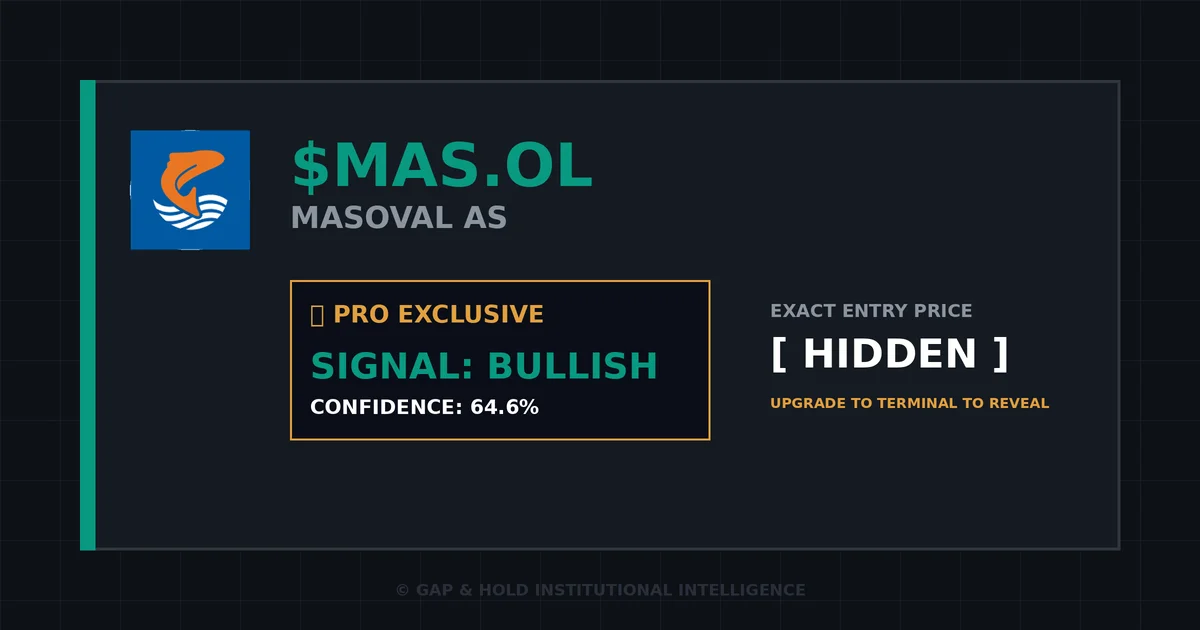
Professional traders and quant strategists recommend a ‘Gap & Hold’ approach for capturing high-probability trading opportunities. This strategy involves entering positions after a significant gap up or down and holding until stabilization. As seen in recent $MAS.OL trades, this method delivered a 63.4% return on the latest trade analysis, highlighting its effectiveness during periods of elevated volatility.
Key takeaways from current market dynamics include: (1) Reduced exposure to AI-driven sectors due to regulatory uncertainties; (2) Strengthening positions in defensive sectors like utilities and healthcare; (3) Considering gold and precious metals as hedge assets given safe-haven demand.
Current Market Analysis
The market’s recent trajectory has been shaped by a confluence of factors: (1) Worsening sentiment in AI stocks post-regulatory scrutiny; (2) Erosion of investor confidence in tech-heavy indices; (3) Geopolitical tensions impacting global supply chains. These elements have led to distinct sectoral performance, with technology and AI-related equities lagging while traditional industries showing resilience.
Bullish signals remain concentrated in sectors benefiting from economic recovery, such as industrials and consumer staples. For instance, a 45.6% confidence score suggests potential upside in financials and utilities, driven by their role as traditional safe-haven assets during market uncertainty.
Portfolio Strategy Implementation
To craft an effective portfolio strategy, consider the following steps: (1) Diversify exposure across multiple asset classes, including equities, bonds, and precious metals; (2) Focus on companies with strong earnings visibility and consistent track records; (3) Implement risk management techniques like stop-loss orders to mitigate losses during market corrections.
Additionally, consider sector rotation strategies based on expected earnings performance. For example, industries with upcoming earnings reports may present opportunities for strategic asset allocation, especially if historical earnings surprises correlate positively with stock price movements.
Risk Management and Diversification
Effective portfolio strategy requires a balanced approach to risk and reward. Investors should assess their risk appetite and align it with their investment objectives. For instance, those seeking higher returns might allocate a larger portion to growth-oriented tech stocks, while safer bets can be made in dividend-paying equities or fixed-income instruments.
A key takeaway is the importance of dynamic adjustments. Market conditions change rapidly, necessitating continuous monitoring and strategy fine-tuning. This ensures that portfolios remain aligned with macroeconomic trends while capturing profitable opportunities.
Conclusion
In conclusion, navigating today’s markets demands a blend of tactical insights and strategic foresight. By leveraging data-driven strategies, applying rigorous risk management, and staying attuned to global economic developments, investors can build portfolios that are both resilient and adaptive. As the market environment evolves, staying informed and responsive will be key to achieving long-term success.
- Step 1: Assess Market Sentiment: Monitor macroeconomic indicators and sector-specific developments to gauge risk appetite.
- Step 2: Rebalance Portfolio: Adjust asset allocation based on evolving market conditions, ensuring diversification across sectors and geographies.
- Step 3: Execute Tactical Trades: Utilize proven strategies like ‘Gap & Hold’ for high-probability trades while maintaining a long-term focus.
Step 4: Implement Risk Management: Use stop-loss orders and diversification to mitigate downside risks in volatile markets.
Unlock Exact Entry Prices & Quantum Signals
Our quantitative AI models scan overnight gaps in real-time. Upgrade to the Pro Terminal to reveal exact entry points, real-time alerts, and deep analytics.
INSTITUTIONAL INSIGHTS LOCKED
The exact entry prices, automated Trailing Stop-Loss (TSL), and Take-Profit targets for these setups are exclusively available to PRO members. Stop guessing and start executing.
UNLOCK PRO TERMINAL
Leave a Reply