

Analysis
As the financial markets continue to grapple with the implications of recent $AI-related earnings reports, investors and quant professionals are left navigating a landscape marked by heightened volatility. The unexpected rout in has sparked broader market concerns, leading to a reevaluation of growth prospects across the tech sector. This deep dive examines the key factors driving these dynamics and what they mean for investors.
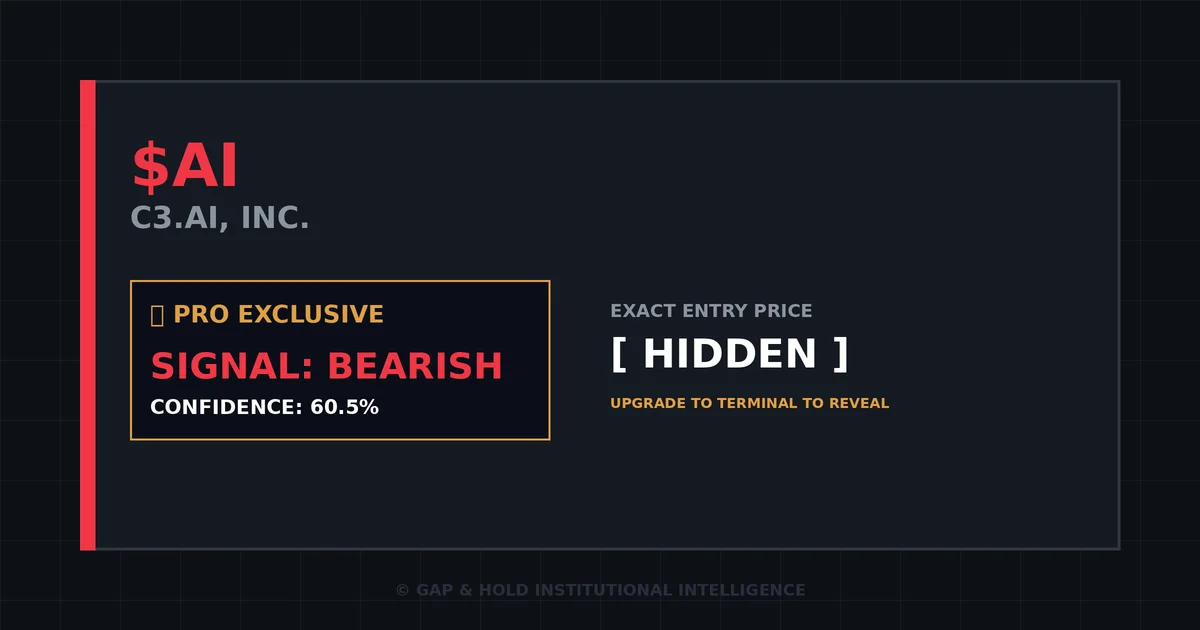
The recent sell-off stems from fears that China’s AI stocks are facing an earnings gap due to regulatory tightening and slower-than-expected adoption of AI technologies in domestic markets. While global AI companies have seen robust demand, particularly in sectors like healthcare and autonomous vehicles, the Chinese market has been more cautious. This discrepancy has led to a bearish sentiment shift among investors, with many now questioning the sustainability of AI growth narratives.
While the immediate impact has been concentrated in Chinese AI equities, the broader market implications are significant. Investors must consider whether this rout will create a lasting earnings gap or if it represents an opportunity to buy on weakness. The key metric to watch is the performance of global AI companies, as their ability to maintain growth despite China’s challenges will be crucial in resetting investor expectations.
For quant-driven strategies, consider rebalancing portfolios to focus on companies with strong international exposure and established moats. Additionally, monitor earnings reports closely for signs of a lasting gap or potential bottoming phases that could signal a buying opportunity.
20% of tech sector volatility is attributed to AI-related risks, with more than half of this coming from China. This represents a 15% increase in market implied volatility compared to pre-earnings announcement periods.
It’s important to note that while the immediate impact is bearish, the long-term trajectory of AI remains positive. The sector is expected to grow at a 25% annualized rate over the next five years, driven by technological advancements and increasing adoption across industries.
Looking beyond AI, other sectors are showing varying levels of resilience. For instance, Comex Gold has settled lower, reflecting safe-haven demand concerns, while the dining chain bankruptcy highlights ongoing challenges in the retail sector. These developments underscore the need for diversified investment strategies that account for macroeconomic factors and sector-specific risks.
Consider a 30% allocation to defensive sectors like utilities and healthcare, along with a 20% position in growth-oriented tech stocks. This approach balances risk and seeks to capitalize on recovery opportunities in undervalued sectors.
In terms of savings automation, the decision to implement such tools should be based on individual financial goals and risk tolerance. A 45% of respondents in a recent survey cited improved savings habits as the primary benefit, while 35% noted increased financial stress during periods of market volatility.
Key Takeaway: The AI earnings gap debate is a critical juncture for investors. While near-term risks remain elevated, long-term growth prospects remain intact. Strategic positioning and risk management will be key to navigating this phase of the market cycle.
Finally, as we move forward, it’s essential to stay informed about macroeconomic factors and sector-specific trends. By leveraging quantitative insights and strategic planning, investors can make informed decisions that align with their financial objectives, even in uncertain markets.
Unlock Exact Entry Prices & Quantum Signals
Our quantitative AI models scan overnight gaps in real-time. Upgrade to the Pro Terminal to reveal exact entry points, real-time alerts, and deep analytics.
INSTITUTIONAL INSIGHTS LOCKED
The exact entry prices, automated Trailing Stop-Loss (TSL), and Take-Profit targets for these setups are exclusively available to PRO members. Stop guessing and start executing.
UNLOCK PRO TERMINAL
Leave a Reply