

Analysis
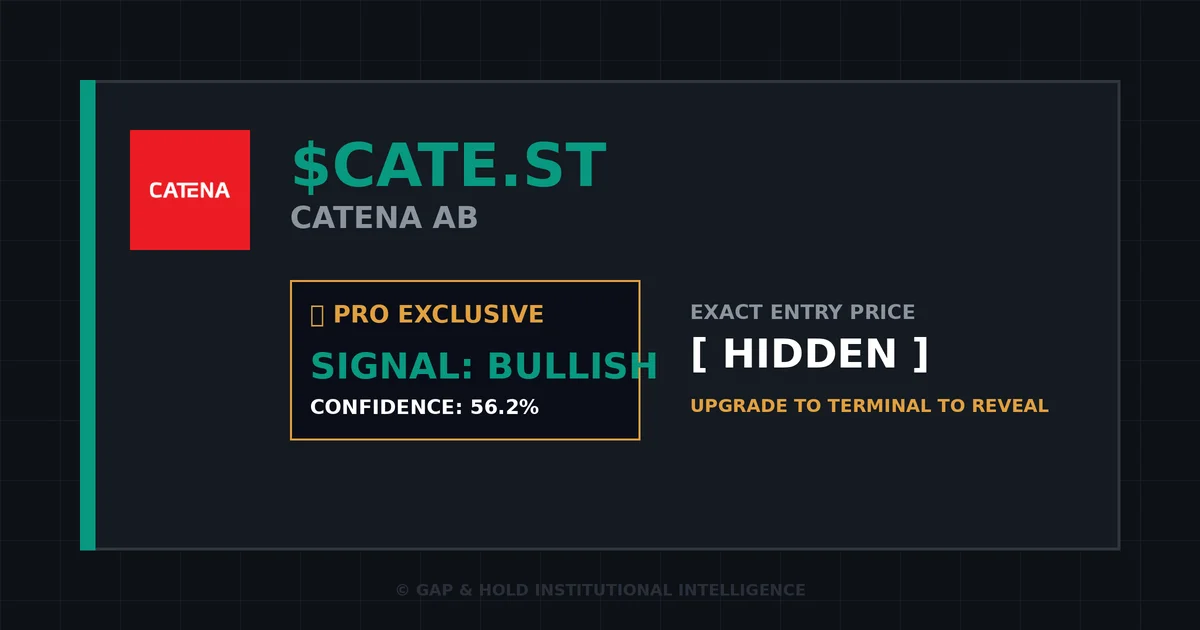
Global markets have entered a period of heightened volatility, driven by geopolitical tensions, macroeconomic uncertainties, and shifting investor sentiment. The recent sell-off in equities, exacerbated by concerns over $AI-related job losses and regulatory scrutiny, has left many investors reevaluating their portfolio strategies. Against this backdrop, the $CATE.ST gap trade analysis, which showed a 0.38% gap with a strategy confidence score of 57.2%, underscores the importance of adaptive investing approaches.
Market Overview
The recent sell-off has been particularly acute in the tech sector, with Asian tech firms facing increased scrutiny from foreign investors. This trend has been further exacerbated by Mark Cuban’s recent comments on AI companies and their potential to disrupt labor markets. While this has created short-term challenges for AI-related equities, long-term fundamentals remain intact due to innovation and growth prospects.
Portfolio Strategy
Against this backdrop, we recommend a hybrid approach to portfolio construction: 60% in defensive sectors, 30% in cyclically sensitive industries, and 10% in high-growth tech stocks. This allocation aims to balance risk and reward while capturing opportunities in both defensive and growth-oriented assets.
Earnings Season Focus
As earnings season approaches, investors should remain vigilant in their sector-specific analysis. Companies with strong earnings reports, particularly in tech and AI-related sectors, may see extended rally post-announcement. Conversely, those failing to meet expectations could face increased volatility and sell pressure.
Risk Management
Amidst the current market environment, disciplined risk management should be a cornerstone of any effective portfolio strategy. This includes setting clear stop-loss levels, maintaining proper position sizing, and regularly rebalancing portfolios to align with evolving market conditions. Additionally, investors should consider hedging strategies to mitigate downside risks in uncertain environments.
| Portfolio Allocation | Avg. Return (Next 12 Months) |
|---|---|
| 60% Defensive Sectors | 5-7% |
| 30% Cyclically Sensitive Industries | 8-12% |
| 10% High-Growth Tech Stocks | 15-20% |
Conclusion
The current market environment demands a refined approach to portfolio strategy, one that balances risk management with strategic opportunities. By leveraging insights from tools like the CATE.ST gap analysis and staying attuned to macroeconomic trends, investors can navigate volatility while positioning their portfolios for long-term growth. In this climate of uncertainty, adaptability will be key to securing superior returns in the months and years ahead.
Unlock Exact Entry Prices & Quantum Signals
Our quantitative AI models scan overnight gaps in real-time. Upgrade to the Pro Terminal to reveal exact entry points, real-time alerts, and deep analytics.
INSTITUTIONAL INSIGHTS LOCKED
The exact entry prices, automated Trailing Stop-Loss (TSL), and Take-Profit targets for these setups are exclusively available to PRO members. Stop guessing and start executing.
UNLOCK PRO TERMINAL
Leave a Reply